
Gluten Free
What does following a gluten-free diet mean? That you're embarking on an easy diet with a wide range of health-promoting effects. Instead of dwelling on what you’re giving up, consider that you’re going to enjoy a whole new world of delicious food options to meet your special dietary needs. You’ll be eating seasonally, choosing more fresh fruits and vegetables, focusing on meats, seafood, poultry, legumes, lentils, corn, and rice, and discovering fascinating ancient grains such as quinoa, amaranth, and millet. You’ll be able to eat potatoes, eggs, most cheeses, even chocolate (!)—and enjoy them without guilt because you’ll be taking good care of your body. In fact, you’ll probably end up eating—and feeling—better than ever!
Visit this page for more information about living Gluten Free
---
We carry a large variety of gluten free items, the brands listed below represent just some of the offerings we carry










More Diets
- By Jane Hart, MD
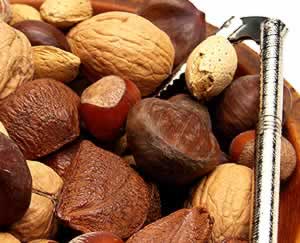
Brazil Nuts Pack a Nutritious Punch
The mineral selenium is essential for good health, and a recent study in Nutrition found that people with low blood levels were able to improve those levels simply by eating one Brazil nut a day.
Research shows eating one Brazil nut a day can corrected selenium deficiency in women
Nutty nutrition
Though selenium deficiency is thought to be uncommon in the US, it is important to correct any deficiencies if they do exist. Selenium affects immune system and thyroid function and also works as an antioxidant, helping prevent conditions associated with oxidative stress such as heart disease and cancer.
In this study, 37 women who were deficient in selenium ate one Brazil nut a day (which provided 290 mcg of selenium) for eight weeks. At the end of the intervention, selenium deficiency had been corrected in all of the women.
“The essential micronutrient selenium functions as a component of many selenoproteins in antioxidant and redox reactions, thyroid hormone metabolism, immune function, and reproduction,” said Cristiane Cominetti, PhD and her colleagues from the Department of Food and Experimental Nutrition, Faculty of Pharmaceutical Science, University of Sao Paulo, Sao Paulo, Brazil. “Disruptions in selenium status may result in suboptimal amounts of selenoproteins, which are associated with increased levels of oxidative stress and its related diseases.”
Sourcing selenium
- Learn about selenium-rich foods. Brazil nuts are one of the top sources of selenium, but other good options include fish, poultry, meat, rice, and eggs.
- Get your recommended daily allowance. A healthy non-pregnant adult does not need a lot of selenium to meet the RDA, which according to the Office of Dietary Supplements is 55 mcg per day; the highest amount an adult should take is 400 mcg per day. The women in this study were getting significantly more than the recommended daily allowance of selenium in order to raise selenium levels. The Office of Dietary Supplements points out that some Brazil nuts are unusually high in selenium (possibly with more than 500 mcg of selenium per nut), so they recommend eating Brazil nuts occasionally.
- Eat a balanced diet. Eating a balanced diet that includes food sources mentioned above can help ensure you are getting enough selenium and other vitamins and minerals. Check with your doctor before taking a selenium supplement.
(Nutrition 2011 Jan 4 [E-pub ahead of print])
Live Better We Can Help

Useful Links
Connect With Clark's
| Proud Member of | |||||
 |
 |
 |
|||
 |
 |
 |
|||
2026 © All Rights Reserved. Clark's Nutrition is a registered trademark of Clarks Nutritional Centers, Inc.
Terms of Use