Gluten Free
What does following a gluten-free diet mean? That you're embarking on an easy diet with a wide range of health-promoting effects. Instead of dwelling on what you’re giving up, consider that you’re going to enjoy a whole new world of delicious food options to meet your special dietary needs. You’ll be eating seasonally, choosing more fresh fruits and vegetables, focusing on meats, seafood, poultry, legumes, lentils, corn, and rice, and discovering fascinating ancient grains such as quinoa, amaranth, and millet. You’ll be able to eat potatoes, eggs, most cheeses, even chocolate (!)—and enjoy them without guilt because you’ll be taking good care of your body. In fact, you’ll probably end up eating—and feeling—better than ever!
Visit this page for more information about living Gluten Free
---
We carry a large variety of gluten free items, the brands listed below represent just some of the offerings we carry




More Diets
Related Topics
-
Recipes with Soy
-
Folic Acid May Reduce Risk of Stroke
-
High-Antioxidant Diet May Mean Lower Stroke Risk
- By Maureen Williams, ND
Nutrition for Stroke Prevention
Healthy eating habits are important in preventing a wide range of health problems, including stroke. A new review of the science looking at nutrition and stroke found that eating certain healthy foods and an overall healthy diet effectively reduces stroke risk.
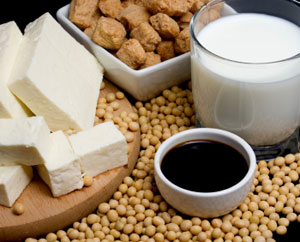
Eating soy foods can protect against stroke
Certain foods can help prevent stroke
The review, published in Nutrition Reviews, included 34 studies that examined the relationship between diet and stroke risk. Drawing on the findings from these studies, the reviewers made the following conclusions about specific foods:
- Fruits and vegetables: People who eat three to five servings of fruits and vegetables per day have a lower stroke risk than people who eat less than three.
- Soy: Studies done in Japan suggest that eating soy foods can protect against stroke, but not enough research has been done to say whether soy foods have the same protective effect in other populations.
- Fish: Eating a moderate amount of non-fried fish appears to be protective, but high levels may increase the risk of a type of stroke known as hemorrhagic stroke. Hemorrhagic stroke involves bleeding in an area of the brain, while the more common type of stroke, called ischemic stroke, involves loss of blood flow to an area in the brain.
- Whole grains: The evidence so far points toward a protective effect for whole grains, but more research is needed to draw a firm conclusion.
- Animal foods: Eating eggs does not change stroke risk, but the relationships between meat and dairy consumption and stroke risk are still unclear.
Eating a healthy diet is also protective
The reviewers made the following conclusions about overall dietary patterns:
- Prudent vs. Western diet: A prudent diet, characterized by high amounts of fruits, vegetables, whole grains, and fish, is associated with a lower stroke risk, while a Western diet, which includes high meat, refined grain, and sweets consumption is linked to a higher stroke risk.
- DASH: Following the DASH (Dietary Approaches to Stop Hypertension) guidelines has been found to lower blood pressure and stroke risk. DASH emphasizes fruits, vegetables, grains, low-fat dairy foods, nuts, chicken, and fish, and limits red meat, sweets, and refined grains.
- Mediterranean diet: This diet is characterized by high amounts of fruits, vegetables, nuts, legumes, and olive oil, moderate amounts of fish and wine, and low meat consumption. Eating a Mediterranean-style diet is associated with a reduced stroke risk.
- Low-fat diet: Although it appears that shifting from saturated fats to poly- and monounsaturated fats may help prevent stroke, cutting down on all dietary fats has no effect on stroke risk.
Lower your stroke risk
Based on all of these findings, eating a diet that includes lots of fruits and vegetables is the best-supported nutritional method for preventing stroke. Here are some other things to do to reduce your stroke risk:
- Don’t smoke. Smoking damages small arteries in the brain and increases the likelihood of forming a blood clot, dramatically increasing stroke risk.
- Maintain a healthy weight. Being overweight is associated with dangerous changes in the blood vessels that supply the brain, and puts an extra burden on the heart, leading to higher stroke risk.
- Stay active. Physical activity, even into the senior years, has a clear benefit for stroke risk.
(Nutr Rev 2012;70:423–35)
Live Better We Can Help

Useful Links
Connect With Clark's
| Proud Member of | |||||
 |
 |
 |
|||
 |
 |
 |
|||
2026 © All Rights Reserved. Clark's Nutrition is a registered trademark of Clarks Nutritional Centers, Inc.
Terms of Use