
Gluten Free
What does following a gluten-free diet mean? That you're embarking on an easy diet with a wide range of health-promoting effects. Instead of dwelling on what you’re giving up, consider that you’re going to enjoy a whole new world of delicious food options to meet your special dietary needs. You’ll be eating seasonally, choosing more fresh fruits and vegetables, focusing on meats, seafood, poultry, legumes, lentils, corn, and rice, and discovering fascinating ancient grains such as quinoa, amaranth, and millet. You’ll be able to eat potatoes, eggs, most cheeses, even chocolate (!)—and enjoy them without guilt because you’ll be taking good care of your body. In fact, you’ll probably end up eating—and feeling—better than ever!
Visit this page for more information about living Gluten Free
---
We carry a large variety of gluten free items, the brands listed below represent just some of the offerings we carry







More Diets
Related Topics
- By Jane Hart, MD
Nutrients May Lower Pregnancy Complication Risk
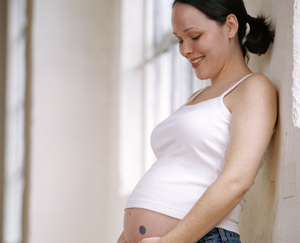
To ensure the best outcome for mom and baby, eating a healthy diet rich in vitamins and minerals is essential during pregnancy. Taking that logic one step further, the British Medical Journal suggests specific nutrients may even help prevent pregnancy complications. They have published a study that found women who supplemented with antioxidant vitamins and L-arginine had a lower risk of a common high–blood pressure condition during pregnancy known as preeclampsia.
Women who supplemented with L-arginine plus antioxidant vitamins had a significantly lower risk of preeclampsia
Nutrition impacts pregnancy health
Preeclampsia is a serious condition that can affect the health of both mother and baby. The good news is that emerging research suggests that specific nutrients may have a beneficial effect on blood pressure and vascular health.
In this study, 672 pregnant women at high risk for developing preeclampsia were randomly assigned to receive food bars that were supplemented with a total of 6.6 grams of L-arginine per day plus antioxidant vitamins, antioxidants vitamins alone, or a bar with no added nutrients (placebo) for the duration of their pregnancy. The women were enrolled in the study between weeks 14 and 32 of their pregnancy.
Results found that women who supplemented with L-arginine plus antioxidant vitamins had a significantly lower risk of preeclampsia compared with women in the placebo group. Preeclampsia developed in only 29 women in the L-arginine group versus 60 women in the placebo group.
While the study authors comment that the protective effect against preeclampsia may be greatest if women begin supplementing with L-arginine and antioxidant vitamins starting before the 24th week of pregnancy, further research is needed to learn more about the safety of taking L-arginine during pregnancy and the optimal amount and time to start taking it.
The authors report that they did not find concerning side effects from supplementation in this study, but warn that for women with peptic ulcer disease, taking L-arginine can worsen their symptoms.
Take precautions
While there is no guaranteed way to prevent preeclampsia there are steps you can take to better ensure your health and the health of your baby. Here are a few tips:
- Learn more about your risk. Any woman may develop preeclampsia during her pregnancy but women at high risk for preeclampsia include those who have had it during a prior pregnancy, women with a first-degree relative with a history of preeclampsia, women carrying multiple babies, and pregnant women younger than 20 years old and older than 40 years old. Talk with a doctor about your risks.
- See your doctor regularly. Preeclampsia is a condition that needs treatment, and it needs to be discovered and treated early for the best outcome. Women who develop preeclampsia may have normal blood pressure at first and then develop high blood pressure later in pregnancy. This is why it is so important to have regular check-ups with your doctor to have your blood pressure and weight checked. Women with preeclampsia also have a high amount of protein in their urine, and the doctor may check your urine and order blood tests at some visits to check for signs of complications.
- Learn before you supplement. Before you take a supplement, always talk with a doctor first about the risks and benefits—especially during pregnancy. While nutrition is very important for your health and for the health of your baby, and certain supplements may assist in this, certain supplements or taking supplements in high doses can have an unhealthy impact on your system. Educate yourself before you supplement!
(BMJ 2011;342:d2901 doi:10.1136/bmj.d290)
Live Better We Can Help

Useful Links
Connect With Clark's
| Proud Member of | |||||
 |
 |
 |
|||
 |
 |
 |
|||
2026 © All Rights Reserved. Clark's Nutrition is a registered trademark of Clarks Nutritional Centers, Inc.
Terms of Use