
Gluten Free
What does following a gluten-free diet mean? That you're embarking on an easy diet with a wide range of health-promoting effects. Instead of dwelling on what you’re giving up, consider that you’re going to enjoy a whole new world of delicious food options to meet your special dietary needs. You’ll be eating seasonally, choosing more fresh fruits and vegetables, focusing on meats, seafood, poultry, legumes, lentils, corn, and rice, and discovering fascinating ancient grains such as quinoa, amaranth, and millet. You’ll be able to eat potatoes, eggs, most cheeses, even chocolate (!)—and enjoy them without guilt because you’ll be taking good care of your body. In fact, you’ll probably end up eating—and feeling—better than ever!
Visit this page for more information about living Gluten Free
---
We carry a large variety of gluten free items, the brands listed below represent just some of the offerings we carry





More Diets
Related Topics
- By Kimberly Beauchamp, ND
Paint Your Heart Healthy with Flavonoids
Eating more colorful, flavonoid-rich fruits and vegetables may reduce the chance of dying from heart disease by up to 40%, says a study in the American Journal of Clinical Nutrition.
Eating more fruits and vegetables is also key to preventing heart disease
Fix it before it breaks
Preventing heart disease is easier than curing it. We already know a lot about how to keep the heart happy, like
- not smoking,
- maintaining a healthy weight,
- keeping blood pressure in check, and
- getting regular physical exercise.
Eating more fruits and vegetables is also key to preventing heart disease. These foods are rich in magnesium, potassium, and fiber that can help regulate blood pressure and blood sugar levels.
Brightly colored fruits and veggies are also high in flavonoids, plant compounds that give foods such as oranges, broccoli, and so on their characteristic hues. Flavonoids have anti-inflammatory and antioxidant actions in the body. They also inhibit the oxidation of LDL (“bad”) cholesterol and encourage blood vessel walls to relax, helping to lower blood pressure.
As part of the Cancer Prevention Study II Nutrition Cohort, researchers from the American Cancer Society and Tufts University investigated how different types of flavonoid compounds in the diet might protect against death from heart disease. In the study, 38,180 men and 60,289 women (average age 69 and 70, respectively) gave detailed information about their diets. The amount and types of dietary flavonoids were estimated for each participant. For the next seven years, the participants were followed and deaths due to heart disease were recorded.
- Of the seven classes of flavonoids studies, five of them were associated with a lower risk of heart disease death.
- Risk of fatal heart disease was 18% lower in men and women who had the highest amounts of total flavonoids in their diets those with the lowest. The risk of fatal stroke dropped by 37% in men with the highest total flavonoid intake.
- The subclass of flavonoids called flavones was especially beneficial for women. Women with the highest flavone intake had a 26% reduction in risk of overall heart disease death and a 40% reduction in risk of death from heart attack.
“Even relatively small amounts of flavonoid-rich foods may be beneficial for reducing risk of fatal cardiovascular disease,” commented the researchers.
Brighten your plate for a happier heart
Getting more flavonoids into your diet is as easy as blueberry pie. Just aim for a rainbow of colors throughout the day. You don’t have to get them all in at every meal, but when you’re planning your five-a-day of fruits and vegetables, make sure they’re not all in the white family.
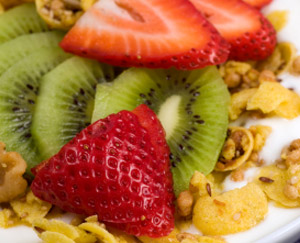
Raspberries, strawberries, apples, blueberries, green tea, black tea, dark chocolate, red grapes, purple cabbage, red wine, oranges, grapefruit, kale, broccoli, onions, and leeks are all loaded with heart-healthy flavonoids.
Parsley, thyme, oregano, celery, and green chili peppers are rich sources of the subclass of flavonoids called flavones. These are the ones that may be especially helpful for women.
(Am J Clin Nutr 2012;95:454–64)
Live Better We Can Help

Useful Links
Connect With Clark's
| Proud Member of | |||||
 |
 |
 |
|||
 |
 |
 |
|||
2026 © All Rights Reserved. Clark's Nutrition is a registered trademark of Clarks Nutritional Centers, Inc.
Terms of Use