
Gluten Free
What does following a gluten-free diet mean? That you're embarking on an easy diet with a wide range of health-promoting effects. Instead of dwelling on what you’re giving up, consider that you’re going to enjoy a whole new world of delicious food options to meet your special dietary needs. You’ll be eating seasonally, choosing more fresh fruits and vegetables, focusing on meats, seafood, poultry, legumes, lentils, corn, and rice, and discovering fascinating ancient grains such as quinoa, amaranth, and millet. You’ll be able to eat potatoes, eggs, most cheeses, even chocolate (!)—and enjoy them without guilt because you’ll be taking good care of your body. In fact, you’ll probably end up eating—and feeling—better than ever!
Visit this page for more information about living Gluten Free
---
We carry a large variety of gluten free items, the brands listed below represent just some of the offerings we carry













More Diets
- By the TraceGains Medical Advisory
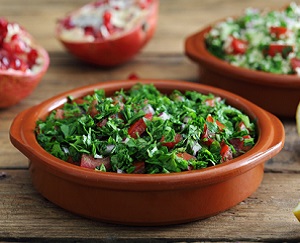
Diabetes Food Spotlight: Parsley
When it comes to fresh herbs, basil gets all the glory. Basil is terrific (and there’s nothing like a great pesto), but what about parsley? Most people think of parsley as the sad, wilted garnish on the side of the plate, but in doing so, they overlook the health benefits of this tiny, leafy green wonder.
A half-cup serving of parsley provides six times the recommended daily intake for vitamin K
The A, B, Cs (and Ks) of parsley
A half cup of chopped parsley—try sprinkling some into soups or salads—provides around 15% of your daily vitamin A in the form of beta-carotene, and other carotenes, that the body converts into vitamin A. This half cup also supplies 10% of your daily folate needs, a B vitamin that is particularly important for heart health. And when it comes to vitamin C, you can’t do much better than parsley; that half cup provides more than half of the recommended daily amount for this nutrient. Yet, while parsley will help you meet your vitamin A, B, and C needs, the place where this herb really shines is in providing vitamin K. A half cup serving provides an impressive five and a half times the recommended daily intake for vitamin K.
Vitamin K is often an overlooked nutrient, though it shouldn’t be, especially for anyone concerned about diabetes. A study of over 800 men and women found that those with the highest intake of vitamin K had around a 40% lower risk of developing metabolic syndrome compared with people eating the least vitamin K. Metabolic syndrome and diabetes go hand-in-hand, so anything that can help manage the risk of metabolic syndrome may provide health benefits to individuals with diabetes.
Packing in more parsley
Parsley adds a fresh twist to many of your favorite summer dishes. When cooking corn on the cob, try sprinkling ample amounts of parsley over the corn before wrapping in foil for grilling. Parsley has a bright, fresh flavor that plays off the sweetness of corn. Chopped parsley, garlic, and onions make a terrific garnish for grilled fish, chicken or meats, and you may be surprised to find parsley plays well with fruit. Try it sprinkled on chopped watermelon or mango for a new taste sensation.
(J Clin Endocrinol Metab 2015:jc20144449)
Live Better We Can Help

Useful Links
Connect With Clark's
| Proud Member of | |||||
 |
 |
 |
|||
 |
 |
 |
|||
2026 © All Rights Reserved. Clark's Nutrition is a registered trademark of Clarks Nutritional Centers, Inc.
Terms of Use